
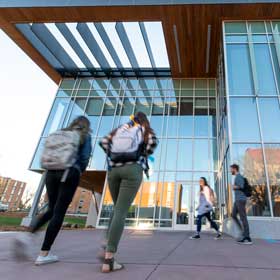
Air & Space Force ROTC
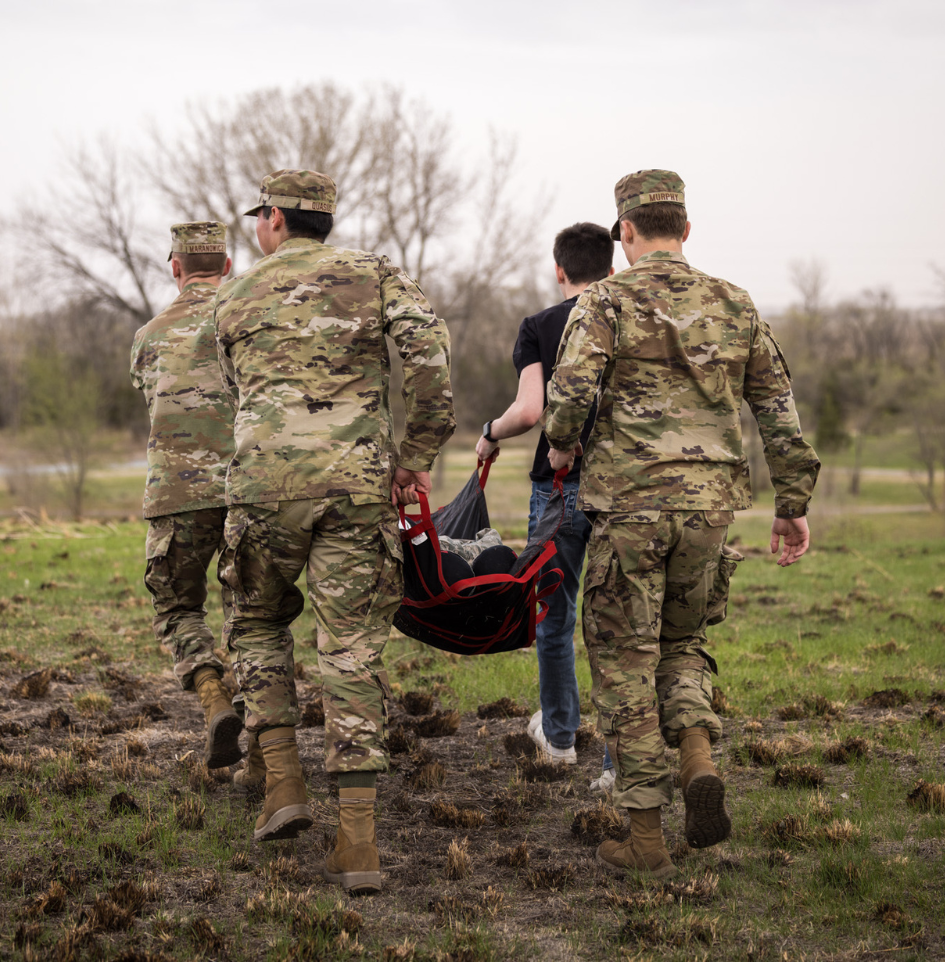
Through Dakota State University's crosstown partnership with South Dakota State University, you can join the U.S. Air Force ROTC Detachment 780 in Brookings. This program allows you to remain a full-time DSU student while traveling to SDSU each week to complete your ROTC classes and training activities.
DSU’s nationally recognized strengths in cybersecurity, computer science, network security administration, artificial intelligence, and digital innovation make it an ideal match for the Department of the Air Force. Your DSU degree prepares you to apply technical skills directly to critical, high-demand roles in cyberspace operations and space defense.
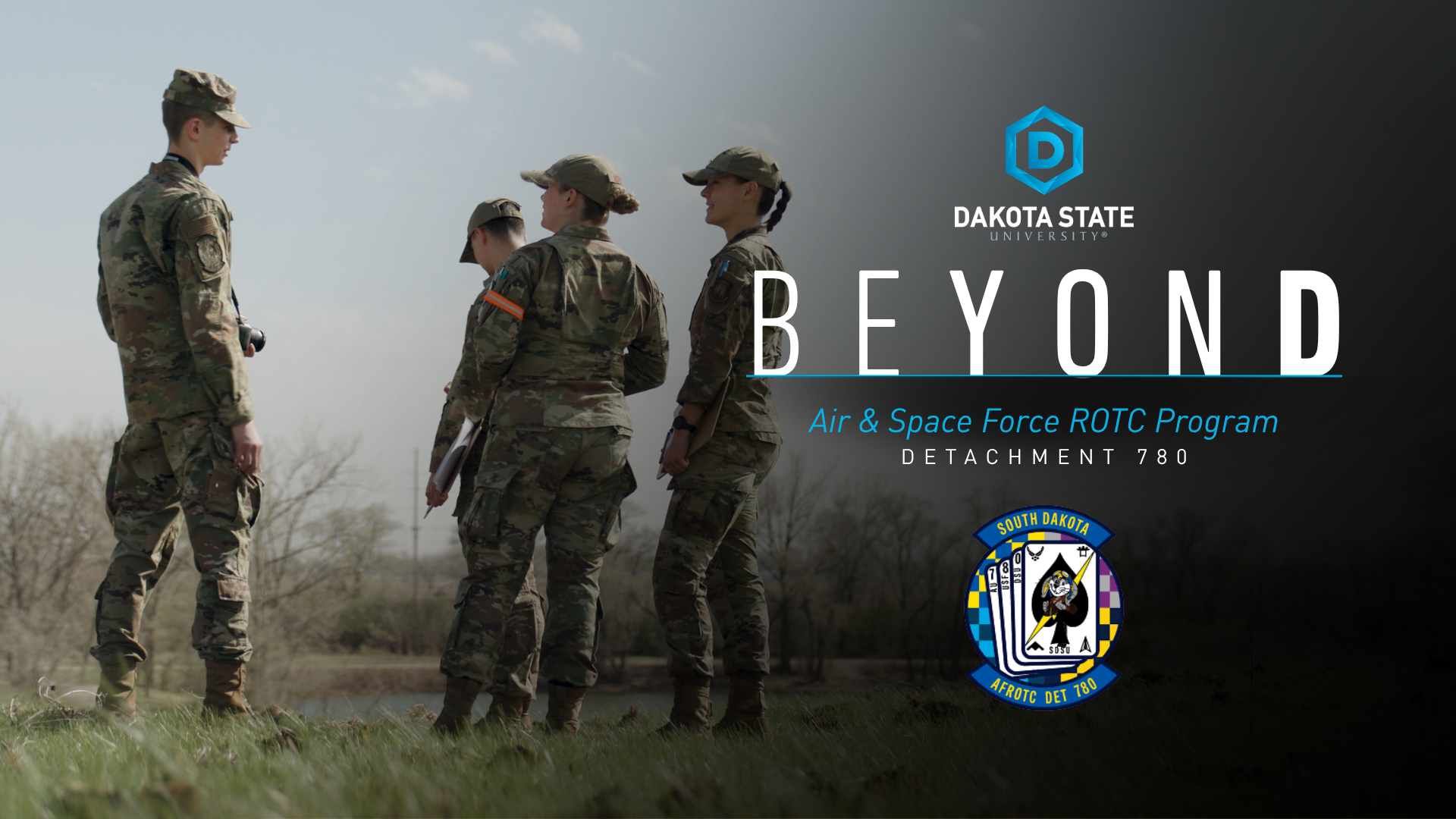
Inside the life of an ROTC student at Dakota State University
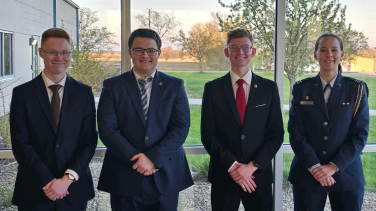
Meet our senior ROTC cadets
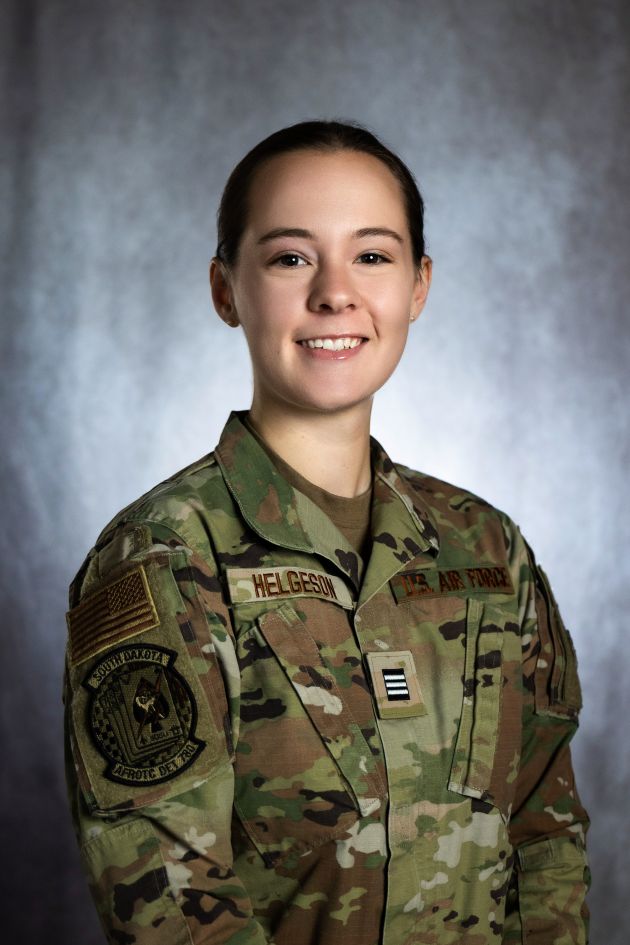
Emily Helgeson | Air Force
B.S. Cyber Leadership & Intelligence, Class of 2026
From Rapid City, SD
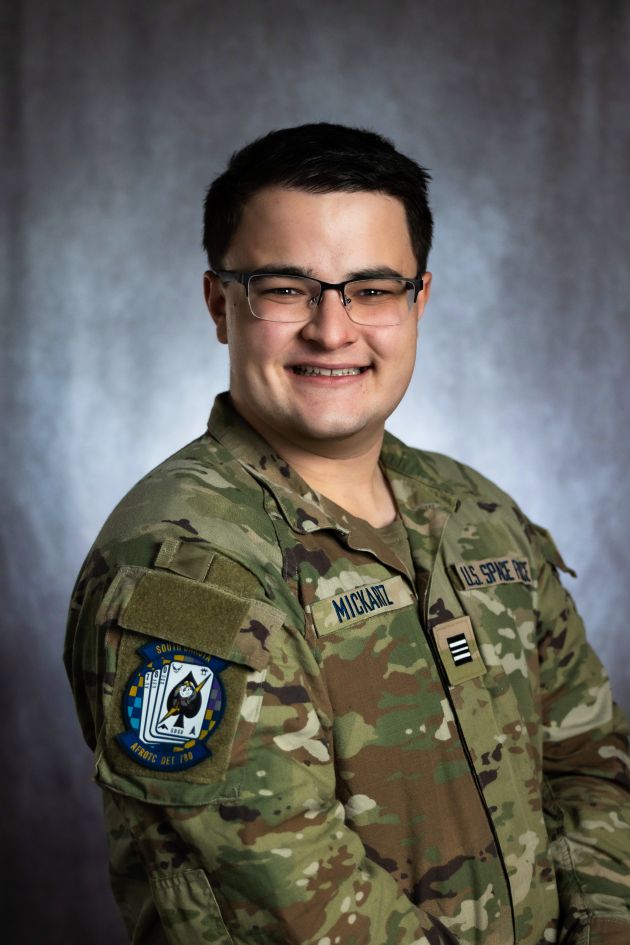
Aden Mickartz | Space Force
B.S. Cyber Operations, Class of 2027
From Parker, Colorado
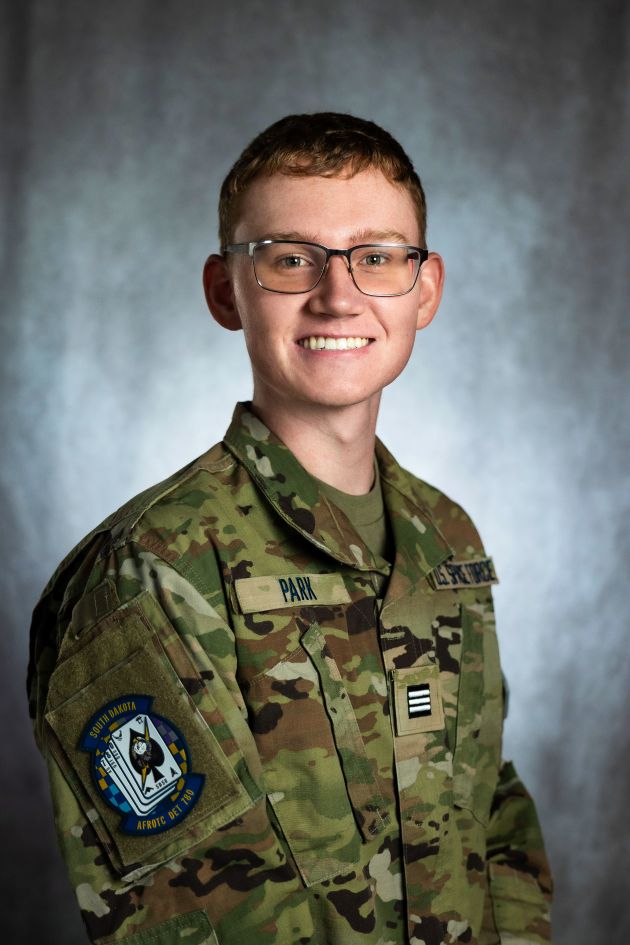
Christopher Park | Space Force
B.S. Cyber Operations & B.S. Network Security Administration, Class of 2027
From Watertown, SD
Why join Air & Space Force ROTC?
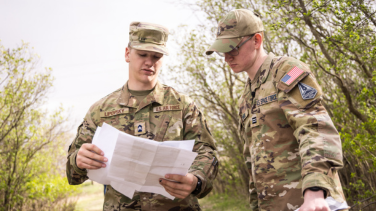
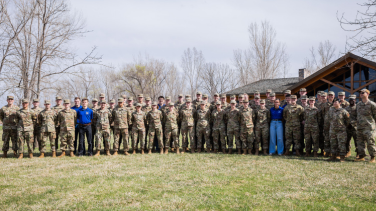
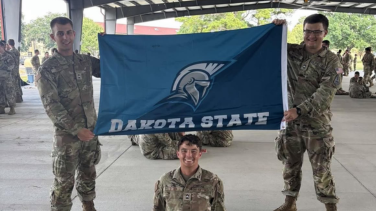
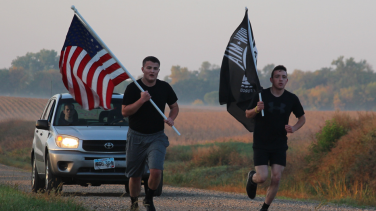
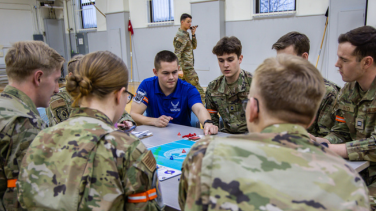
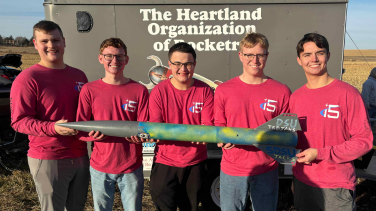
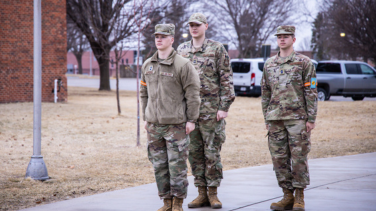
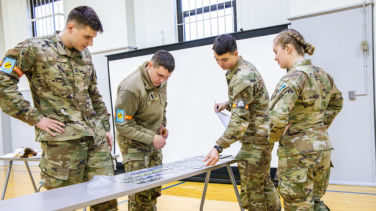
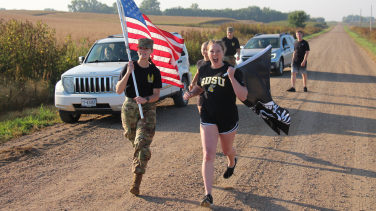
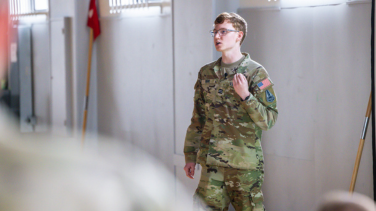
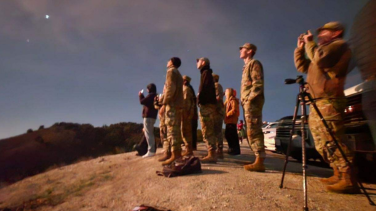
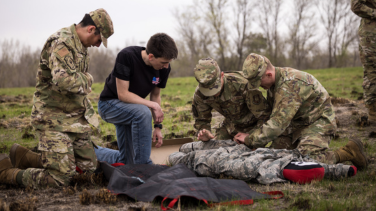
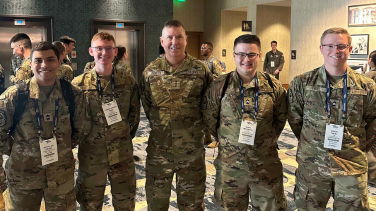
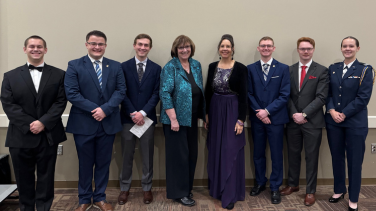
Air and Space Force ROTC allows students to develop leadership skills, build confidence, and prepare for a successful future while earning their degree at DSU. Through hands-on training, mentorship, fitness, teamwork, and real leadership experiences, cadets grow personally and professionally in a close-knit, supportive environment.
The program is open to incoming freshmen, transfer students, and current DSU students at any stage, with no military obligation during the first two years. Cadets benefit from mentorship from DSU faculty and the experienced Detachment 780 cadre, while gaining valuable career advantages such as scholarship opportunities, travel experiences, and pathways into high-demand defense and technology careers.
Military service benefits
- Total starting compensation often exceeding $100,000 (base pay + tax-free housing/food allowances + bonuses)
- Tax-free housing and food allowances
- 30 days paid vacation per year
- Fully covered relocation costs
- Comprehensive medical, dental, and vision benefits
- Scholarship and tuition assistance (DSU cyber/computer science majors receive priority consideration for full-tuition and other awards + monthly living stipends)
- Retirement plan with government matching
- Included life insurance
Where ROTC can take you
A direct path into elite cyber careers
DSU technical majors receive priority consideration for ROTC scholarships and Air Force and Space Force cyber career field selection. Cadets gain leadership experience, technical training, and early opportunities for Top Secret/SCI clearances while preparing for missions involving cybersecurity, satellites, GPS, and national defense systems.
Through careers such as Cyberspace Operations Officer, graduates combine DSU’s nationally recognized cyber education with military leadership experience that translates directly into high-demand civilian cybersecurity careers, where salaries of $150K+ are common after military service.
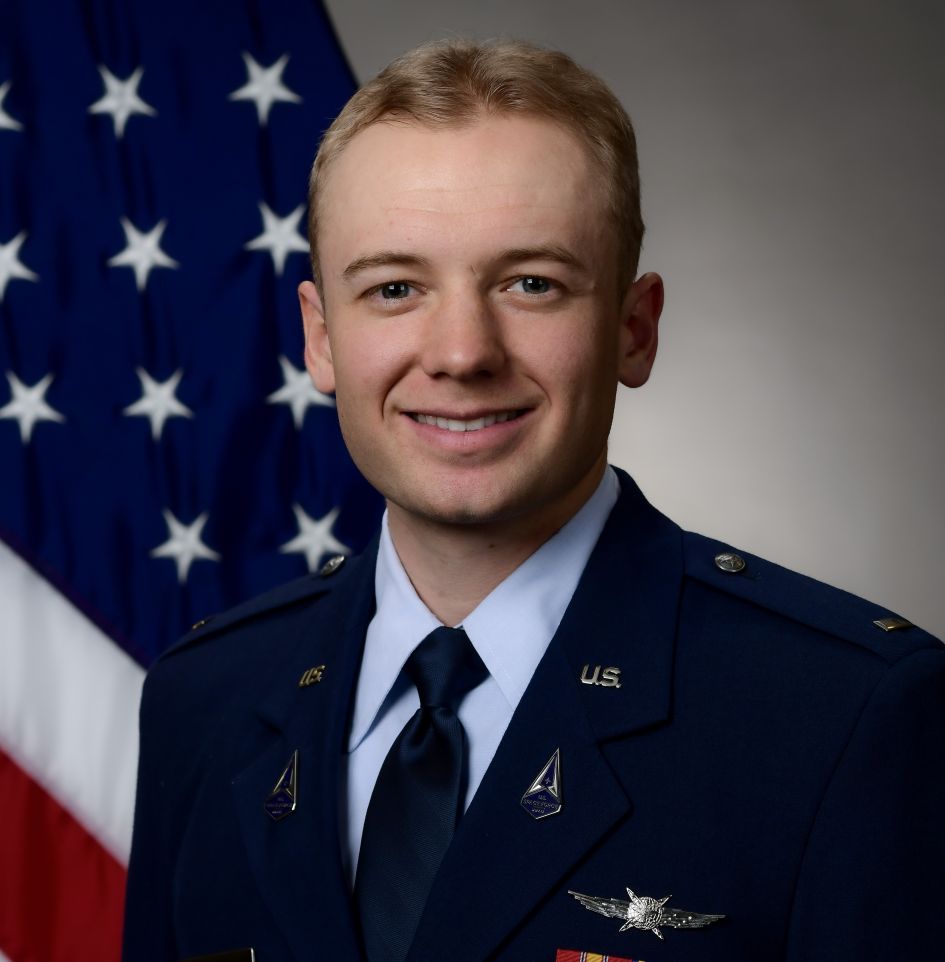
Cadet to Space Force Officer
Captain Gabe Lamb of Rapid City, SD commissioned into the United States Space Force in May 2021 through Detachment 780 at South Dakota State University. He earned a Bachelor of Science in Cyber Operations from Dakota State University.
Currently serving as a Mission Planning Cell Chief, Captain Lamb oversees cyber crew operations and issues Cyber Tasking Orders to enable continuous monitoring, threat hunting, system clearance, and mission hardening across space access and orbital warfare systems.
Program structure

The program builds progressive leadership experience from day one through graduation. ROTC includes three core components that span all four years, including aerospace studies courses, leadership laboratory, physical training.
This is a time for focusing on learning, exploring the program, and becoming familiar with the structure of ROTC. No commitment is required unless on scholarship.
Typical weekly commitments include:
- A 1-credit academic class
- Two hours of leadership lab
- Two hours of physical training
Cadets must also complete at least one officer-development experience. The options include base visits, orientation flights, or summer programs.
Field Training is a competitive and rigorous program that cadets attend at Maxwell Air Force Base in Alabama during the summer between sophomore and junior year.
Field Training focuses on:
- Leadership evaluation
- Physical conditioning
- Firearms familiarization
- Survival skills
- Teamwork discipline
The final two years of the program shift into deeper leadership responsibility, including planning and running weekly lab and PT sessions.
Weekly expectations include:
- A 3-credit academic class
- Two hours of leadership lab
- Two hours of physical training
- Additional leadership duties
Upon completing all program requirements and graduating from DSU, cadets commission as Second Lieutenants in either the U.S. Air Force or U.S. Space Force. Minimum active-duty service commitment is four years, with longer commitments for certain specialized career fields.
DSU cyber and computer science graduates are highly competitive for Cyberspace Operations positions. Many cadets interested in Space Force commission directly as Guardians.